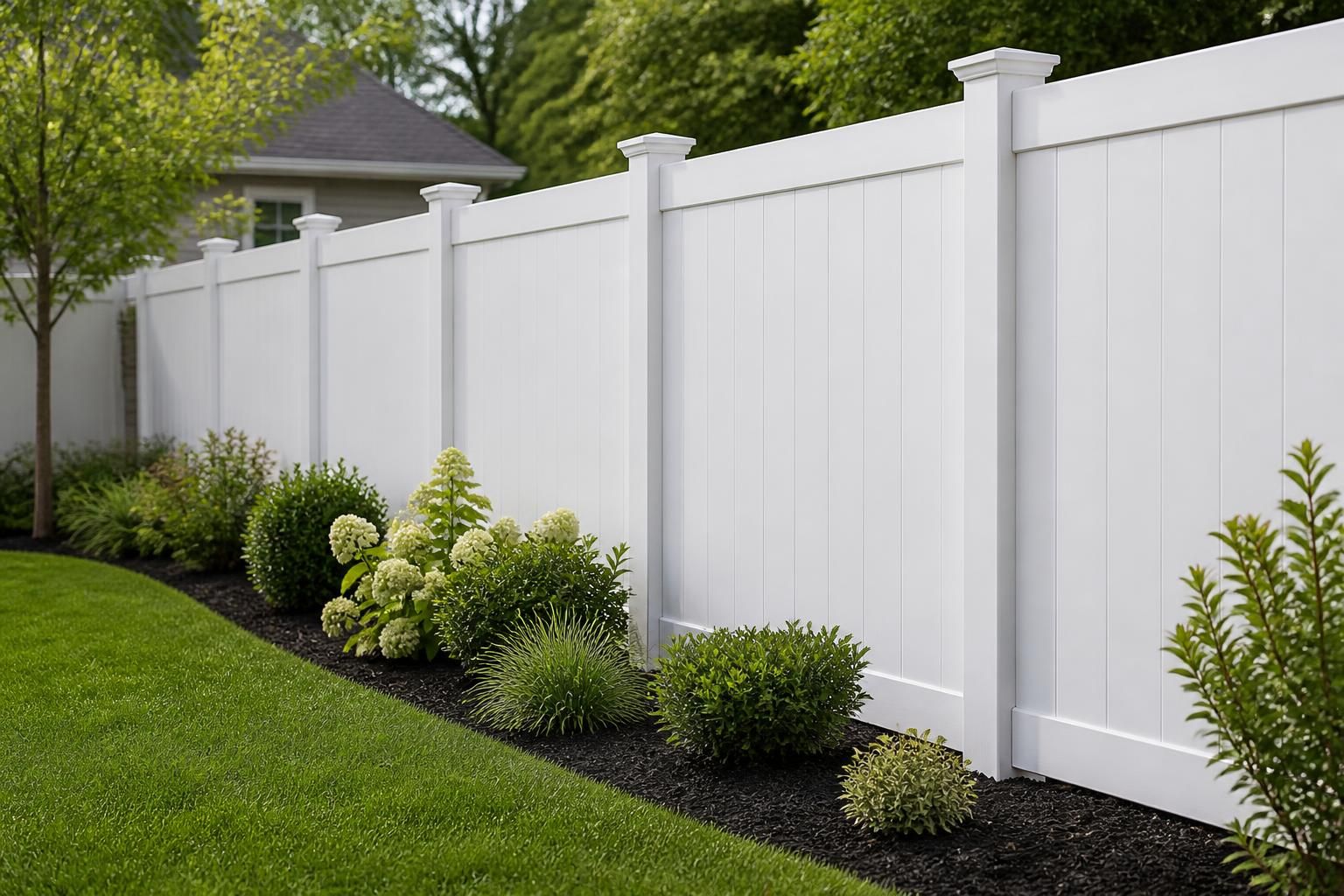
Vinyl Fencing in Columbus
Vinyl fence installation for Columbus homeowners who want privacy, curb appeal, and a fence that skips repainting.
Vinyl fence installation for Columbus homeowners who want privacy, curb appeal, and a fence that skips repainting.
Mills Fence Co. installs vinyl fencing for Columbus, Ohio homeowners who want privacy, a pet-safe yard, or a cleaner property line without the staining and repainting that come with wood. That covers privacy panels, semi-private styles, picket looks, and gates. To get started, call or send a request with your yard layout, the height you have in mind, and where the fence should run.
Maybe your wood fence is leaning, graying, and splintering, and you are tired of spending weekends on it. Maybe you just bought a house and the backyard is wide open to the neighbors and the street. Vinyl is a common answer, but the choices (style, height, color, gate placement, and how the posts are set) can feel confusing when every quote looks different. This page explains what to expect so you can compare options with confidence.
Vinyl fencing is a factory-made system of hollow posts, rails, and panels, usually in white, tan, or gray. Our vinyl work in the Columbus area typically includes:
It suits homeowners with kids, dogs, pools, or a backyard that needs more privacy. It also suits anyone who wants a fence that looks the same year after year.
Most Columbus-area neighborhoods have height and style rules, so the look you want and the look you are allowed to build can differ. Settle that early.
Solid panels block sightlines into the yard. They are the usual pick for patios, hot tubs, and yards that back up to a busy road. Because they are solid, they also catch more wind, which makes post setting matter even more.
Picket and lattice-top designs mark a boundary and keep pets in while staying open and friendly to the street. They are a common choice for front yards and corner lots where a tall solid fence may not be allowed.
Homeowners often weigh vinyl against wood, aluminum, and chain link. We install all of those, so the comparison is about fit, not a sales pitch.
People often call about a damaged vinyl fence and are not sure whether they need a new one. A cracked panel, a loose rail, or a single leaning post is usually a fence repair job. A full run that has shifted, yellowed, or been damaged in several places may be worth replacing. This page covers new vinyl fence installation. If you are not sure which side your fence falls on, describe the damage when you reach out and ask for an honest read on both routes.
A vinyl fence job generally follows the same order, whoever does the work:
Central Ohio weather can stretch the schedule. Wet spring ground and winter freezes affect when concrete can be poured and how fast a job moves, so ask for a realistic start window rather than a promise.
Most of central Ohio sits on clay-heavy soil that holds water and moves with freeze and thaw cycles. That makes the following standards worth checking on any vinyl fence:
Vinyl fence pricing depends on the specifics of your yard, so any honest number starts with a site review. The main factors are:
A clear written quote should spell out the footage, height, style, gate count and hardware, what is being removed, what is included in cleanup, and how changes are handled if the layout shifts after work begins. If a line is vague, ask about it before you sign.
Before you hire anyone to build a vinyl fence in the Columbus area, ask:
We build vinyl fences for homeowners across Columbus and nearby communities, including Dublin, Westerville, Hilliard, Gahanna, Grove City, Reynoldsburg, Upper Arlington, Worthington, and New Albany. Lot sizes, HOA rules, and fence requirements vary from one community to the next, so mention your city when you request a quote.
Most residential jobs are measured in days rather than weeks once work starts, but the total timeline also includes scheduling, approvals, and utility marking. Fence length, slope, and weather all play a part, so ask for a start window and an estimated working time in writing.
Many homeowners book in spring and early summer, which means scheduling can fill up. Fall is also popular, and installation can often continue into winter when the ground is workable. Frozen or saturated soil can slow post setting, so flexibility helps.
It comes down to footage, height, style, gates, ground conditions, removal of an old fence, and any approvals needed. A written quote that lists each of those items makes comparing contractors much easier.
Very little. It does not need painting or staining. An occasional wash with water and mild soap usually clears dirt, pollen, and algae. Check gate hardware and post caps now and then.
Quality vinyl is designed for temperature swings, but a hard impact in deep cold can crack a panel. Solid post setting matters most, since freeze and thaw cycles in clay soil are what push fences out of line.
Yes, in most cases. Panels can be stepped or raked depending on the style and the grade. Mention slopes when you request a quote, since they influence both layout and material needs.
If you are ready to price out a vinyl fence, call or send a request to Mills Fence Co. with your city, rough fence length, preferred height, and any HOA rules you know about. We will take it from there.
Tell us about your property, the type of fence you have in mind, and what you want it to do. We will follow up to talk through the next step.