Fence Installation in Columbus
Plan a new wood, vinyl, aluminum, or chain link fence for your Columbus property with a clear written quote.
Plan a new wood, vinyl, aluminum, or chain link fence for your Columbus property with a clear written quote.
Mills Fence Co. installs new fences for Columbus, Ohio homeowners and property owners, including wood, vinyl, aluminum, chain link, custom, and security fencing. If you need a new boundary, a pet-safe yard, a pool barrier, or a replacement for a fence that has given out, call or send a request and we will start with what you want the fence to do.
Most people reach out after something changes: a dog finds a gap, a storm leans a section over, the neighbors take down an old fence, or a rotting line of boards stops looking like it is worth patching. Maybe you just want privacy on a back patio. Whatever the trigger, the next step is the same: decide on a purpose, pick a material, and get a written scope you can compare.
A fence does not have to fail completely before it deserves replacing. These are the signs that usually point toward a fresh installation rather than another round of patches:
If only one or two sections are damaged and the posts are solid, repair is often the smarter move. We cover that difference below.
The material shapes the look, the upkeep, the privacy, and the budget. Here is how the main options compare for most Columbus yards.
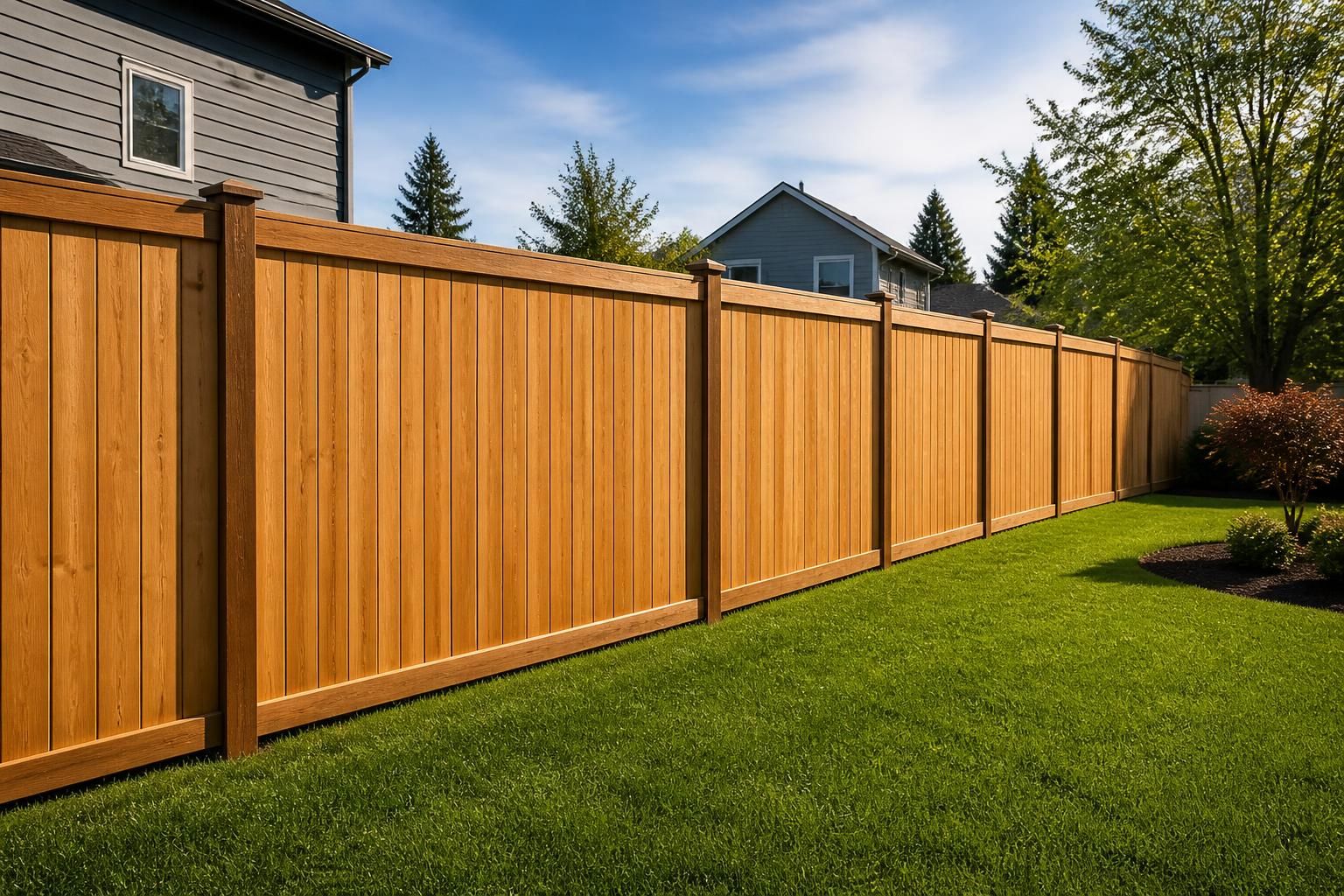
Wood fencing is a common choice for privacy and a traditional look. It can be stained or painted, and it needs periodic attention to stay in shape. Vinyl fencing costs more up front in many cases but does not need staining or painting, which appeals to people who want a low-maintenance privacy fence.
Aluminum fencing gives a clean, open look that works well for yards, front-of-house borders, and pool enclosures where you want to see through. Chain link is the practical option for fast, durable enclosure of larger yards, dog runs, and utility areas, and it can be a budget-friendly way to cover a lot of ground.
We also handle custom fencing when a standard panel does not fit the layout, the slope, or the style you have in mind, plus security fencing and commercial fencing when the property calls for added height or control. Tell us what the fence has to accomplish and we can help narrow the choice.
Homeowners often ask whether they need a new fence or just a fix. Fence installation, the service on this page, means setting new posts and building a new run or replacing an old one. Fence repair is a separate service that covers fixing damaged sections, loose boards, bent rails, or a broken gate while the rest of the fence stays.
As a rule of thumb, if the posts are sound and the damage is limited, repair makes sense. If posts are rotted, leaning along the whole line, or the material is worn through, a new installation usually saves money over repeated fixes. If you are not sure which side of the line you are on, ask us and we can talk it through.
Every property is different, but a fence installation generally follows this order:
Central Ohio sees a real freeze and thaw cycle each winter, and much of the area sits on clay-heavy soil that holds water and shifts as it freezes. That combination is hard on shallow or poorly set posts, which is why post depth and footing matter so much here. Yards that slope, drain slowly, or have mature tree roots can also change how a fence line is laid out.
We install for homes across Columbus and nearby communities including Dublin, Westerville, Hilliard, Gahanna, Grove City, Reynoldsburg, Upper Arlington, Worthington, and New Albany. Lot sizes and neighborhood rules differ across those areas, so a quick check of local requirements early in the process saves delays.
Use these standards to judge any fence installer's work, ours included:
Fence pricing is driven by the specifics of your property and your choices, so any honest number comes from a written quote rather than a guess. The main factors are:
A clear quote should spell out the scope of work, the materials and height, the number and type of gates, what is included for removal and cleanup, and any extras listed separately. It should also say how changes are handled if you adjust the layout or something unexpected turns up once digging starts.
Before you hire anyone to build a fence in the Columbus area, ask:
Most residential installs take from a day to several days of on-site work, depending on length, material, gates, and ground conditions. Lead time before work starts depends on the season and permit or HOA steps, so ask for a schedule when you get your quote.
Spring through fall is the most common window because the ground is workable. Winter installs can still happen when the soil is not frozen hard, though weather can push the schedule. Booking ahead of the busy spring season usually helps.
It comes down to footage, height, material, gates, site conditions, and whether an old fence needs to come out. A written quote should list each of these so you can compare options clearly.
Often one or both apply, especially for height, placement, and style. Requirements differ by municipality and neighborhood, so check with your city and your HOA before work begins.
Vinyl, aluminum, and chain link generally need less regular care than wood, which benefits from periodic staining or sealing. The right choice also depends on privacy, appearance, and budget.
If the posts are solid and damage is limited to a few sections, repair is often enough. If posts are rotted or leaning along much of the line, a new installation tends to be the better value. Call or send a request and we can help you weigh it.
Tell us about your property, the type of fence you have in mind, and what you want it to do. We will follow up to talk through the next step.